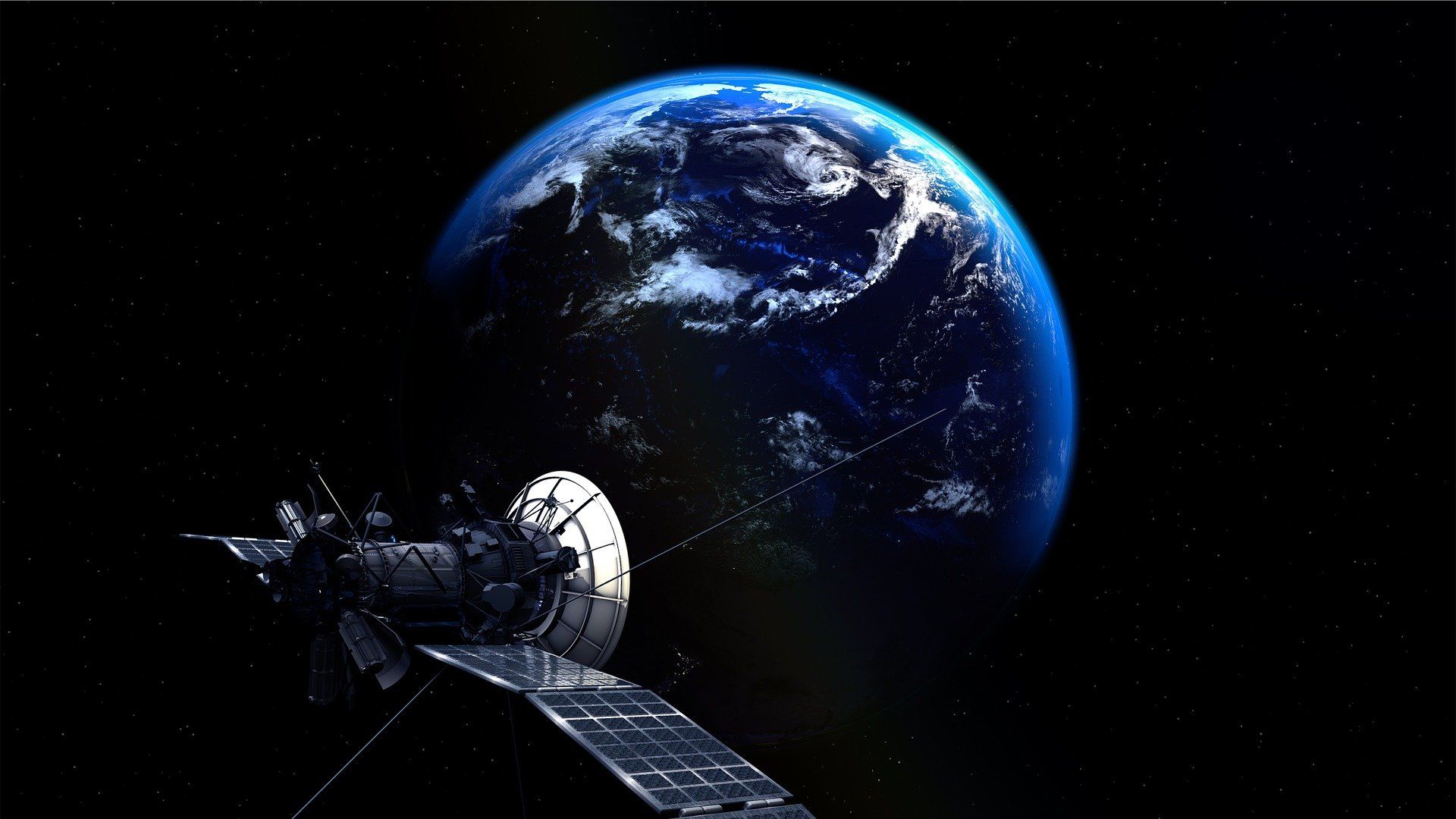
Russia’s multibillion-dollar answer to Elon Musk falls apart in space — forcing a high-stakes gamble to save its orbit
Russia's Starlink competitor faces serious problems placing its satellites into orbit Moscow may replace its troubled Rassvet-3 spacecraft with improved satellites Russia's proposed Rassvet-4 network involves 374 satellites across 17 orbital planes Russia's attempt to establish a satellite internet
<![CDATA[ <article> <ul><li><strong>Russia's Starlink competitor faces serious problems placing its satellites into orbit</strong></li><li><strong>Moscow may replace its troubled Rassvet-3 spacecraft with improved satellites</strong></li><li><strong>Russia's proposed Rassvet-4 network involves 374 satellites across 17 orbital planes</strong></li></ul><p>Russia's attempt to establish a satellite internet network capable of challenging Elon Musk's Starlink is encountering serious deployment difficulties.</p><p>Its Rassvet-3 spacecraft have struggled to reach their intended orbital positions, raising questions about the project's ability to deliver reliable connectivity.</p><p>Moscow is now pursuing an apparent replacement through an improved satellite design called Rassvet-4, although several important details remain undisclosed.</p><h2 id="russia-develops-a-replacement-as-its-satellite-constellation-struggles">Russia develops a replacement as its satellite constellation struggles</h2><p>Russia has submitted documentation to the International Telecommunication Union (ITU) concerning a proposed Rassvet-4 network involving 374 satellites operating approximately 800 kilometers above Earth.</p><p>The planned constellation would occupy 17 orbital planes, with each containing 22 spacecraft intended to provide satellite communications coverage across designated regions.</p><p>Although Russian authorities have not officially announced Rassvet-4 development, the filing suggests preparations for another generation within the country's planned satellite communications infrastructure.</p><p>The application could therefore concern an upgraded spacecraft rather than an entirely separate network, particularly given the difficulties affecting the existing Rassvet-3 deployment.</p><p>Bureau 1440, the company developing Russia's Starlink competitor, previously indicated in September that engineers were working on an improved Rassvet-3 version.</p><p>The proposed successor appears to incorporate technical changes following two launches that delivered 32 Rassvet-3 satellites into orbit during March and July 2026.</p><p>However, both launches encountered deployment difficulties, with several satellites struggling to reach their intended orbital positions at an altitude of 800 kilometers.</p><p>Two spacecraft have reportedly reentered Earth's atmosphere, leaving 30 satellites in orbit, although 26 had stabilized at approximately 508 kilometers by November 3.</p><p>These difficulties create additional uncertainty surrounding the schedule for establishing an operational network, particularly as Russia continues developing infrastructure intended to compete with established satellite internet providers.</p><h2 id="new-spacecraft-could-arrive-without-advance-announcement">New spacecraft could arrive without advance announcement</h2><p>The ITU documentation shows limited information about Rassvet-4's communications equipment, including its operating frequencies and antenna beam configuration.</p><p>According to the filing, each spacecraft will incorporate 12 antenna beams, comprising seven transmission beams and five reception beams for communications operations.</p><p>Russian authorities could introduce the upgraded spacecraft during the next scheduled launch, potentially deploying them without previously announcing their arrival.</p><p>Meanwhile, objects resembling satellite communications terminals have reportedly appeared on Russian military <a href="https://www.techradar.com/cameras/drones/best-drone">drones</a>, suggesting efforts to explore additional applications for the developing network.</p><p>Photographs of a Molniya-2 unmanned aerial vehicle carrying an unidentified object have raised speculation about possible satellite connectivity equipment being tested aboard military platforms.</p><p>Nevertheless, the object's identity has not been independently established, meaning its connection to Rassvet remains uncertain despite its apparent resemblance to communications hardware.</p><p>Via <a href="https://en.defence-ua.com/news/russia_is_secretly_developing_rassvet_4_satellite_to_replace_rassvet_3_as_its_starlink_rival-20302.html" target="_blank" rel="nofollow">Defense Express</a></p><figure class="van-image-figure inline-layout" data-bordeaux-image-check="" ><div class='image-full-width-wrapper'><div class='image-widthsetter' style="max-width:676px;"><p class="vanilla-image-block" style="padding-top:31.51%;"><img id="diM9tpwF2Lz85R8q85CT78" name="tr-g_news" alt="Google logo on a black background next to text reading 'Click to follow TechRadar'" src="https://cdn.mos.cms.futurecdn.net/diM9tpwF2Lz85R8q85CT78-1920-80.jpg" mos="" align="middle" fullscreen="" width="676" height="213" attribution="" endorsement="" class="inline" /></p></div></div></figure> </article> ]]>
Read the full article on TechRadar
Read Full Article →